
Screening incoming wheat for insects with the Insectomat 5K
See what an Insectomat 5K check can tell you about a wheat sample and what the unloading team needs to record before the grain enters a silo.
On this page
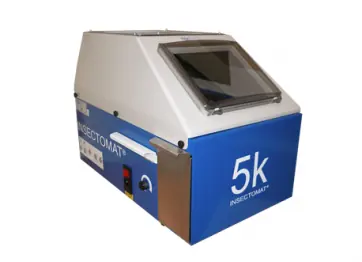
Two wheat trucks are waiting to unload into the same silo. If insects turn up in one sample, can the operator still trace it to the right truck? Link each inspection result to the lot and sampling point while the loads are still separate.
Which grains can the 5K inspect?
The Insectomat 5K separates insects from a grain sample for the operator to examine. TEKPRO lists wheat, barley and oats, with a capacity of up to 5 kg per test. A mill receiving maize or rice should identify the commodity at the outset so that suitability can be checked. [1]
How to report a sample with no insects found
In a USDA study of wheat transported by rail, two insect species clustered in parts of the shipment. The researchers used an instrument from the Insectomat family to separate insects outside the kernels. The paper does not identify it as the 5K. For intake staff, the finding illustrates how the part of the load sampled affects what the screen can detect. [2]
Where nothing is found, record “no insects found in this sample” alongside the lot, sampling locations and sample mass. Visible kernel damage merits follow-up under the site procedure even when the operator sees no insects. The Canadian Grain Commission addresses this case in its guidance on stored-grain monitoring. [3]
How long until the unloading supervisor has a result?
In a trial, start timing when the sample is taken and stop when the unloading supervisor receives the result. That includes carrying the sample and recording the findings. To discuss where to place the instrument, tell AE the grain type, peak truck arrivals and the route your samples take today.
Sources and further reading
- TEKPRO · Insectomat FAQs
- USDA Agricultural Research Service · Detection of stored-grain insect infestation in wheat transported in railroad hopper-cars
- Canadian Grain Commission · Monitoring stored grain for insect pest infestations