Poultry feed QC
Poultry feed mill quality control from intake to dispatch
Follow one bag of poultry feed from maize intake to dispatch. Learn how feed types, pellet quality and practical checks fit mills of different sizes.
Find a guide to help you choose a method, compare instruments or investigate a test result.
25 matching articles
Follow one bag of poultry feed from maize intake to dispatch. Learn how feed types, pellet quality and practical checks fit mills of different sizes.
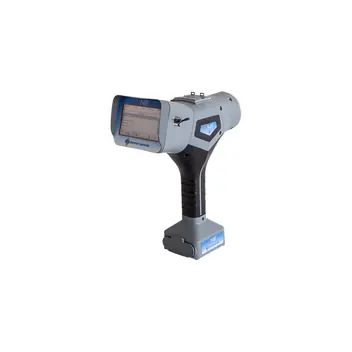
Can a handheld NIR cover feed intake checks? Evaluate portable and bench instruments alongside reference lab capacity using local samples and decision limits.
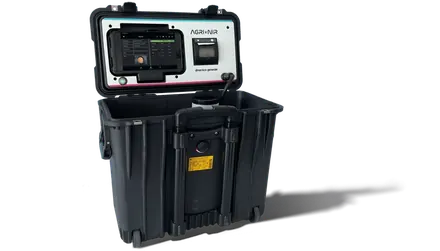
Calculate the cost per lot released or held. Compare handheld X-NIR and modular AgriNIR 4.0 with current waiting times and confirmation costs.
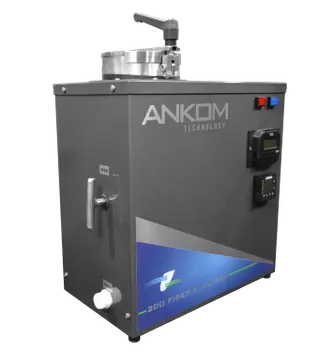
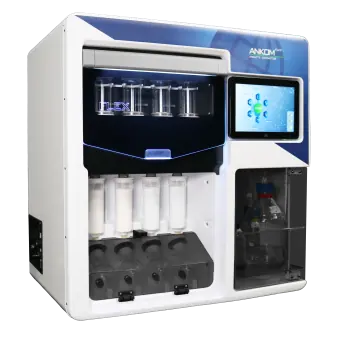
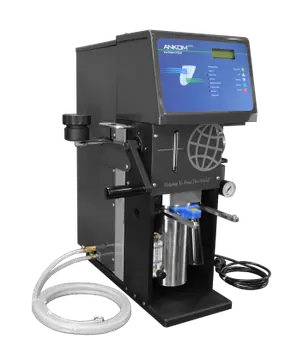
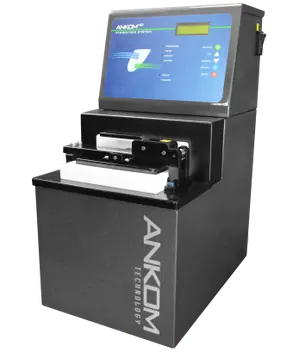
Compare the ANKOM 200 and DELTA against a shift in your own lab. Reagent addition and rinsing are the two steps to watch.
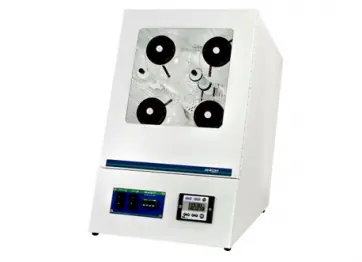
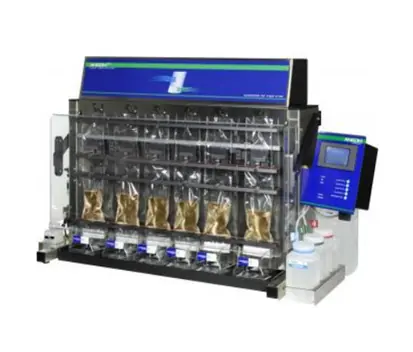
Sketch the result you need. Feed residue at a chosen time and changes in gas pressure during fermentation call for different measurements.
Follow a vitamin or cholesterol sample from preparation to chromatography. The time spent waiting at each stage shows where FLEX could help.
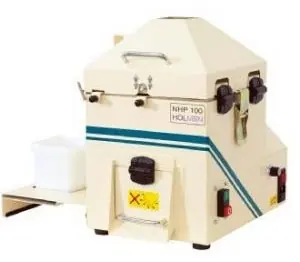
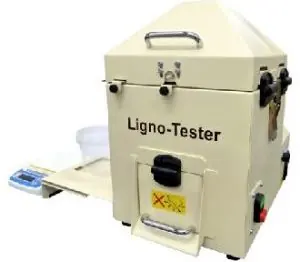
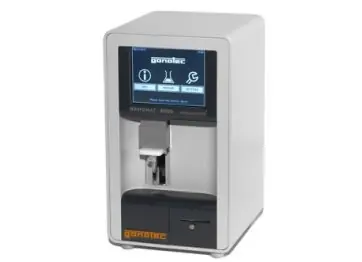
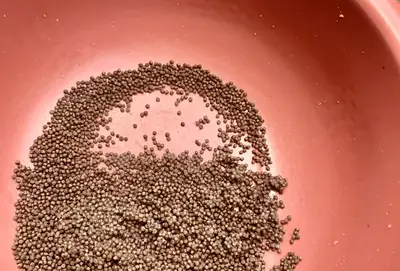
Choose a pellet durability tester for the place where staff need the result. Compare the portable NHP100, bench NHP200 and in-line NHP300.
Measure existing fines and the durability of intact pellets separately. F and DU results can help trace a wood pellet complaint back through handling.
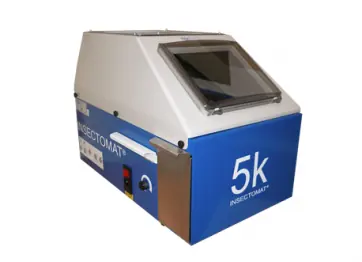
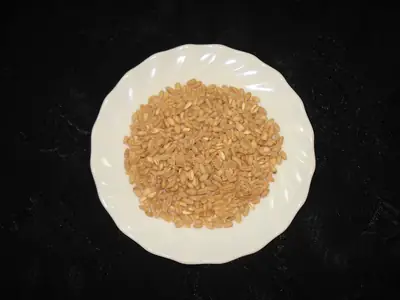
See what an Insectomat 5K check can tell you about a wheat sample and what the unloading team needs to record before the grain enters a silo.
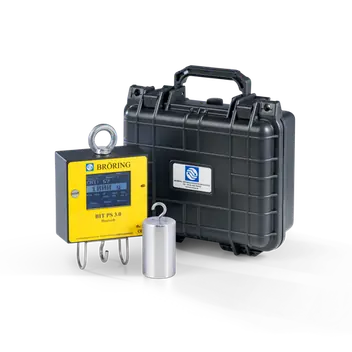
When a buyer specifies a weight range, look at the spread of individual weights. Compare portable Bröring scales with automatic house weighing.
Check dry matter while the ration can still be adjusted. Compare handheld X-NIR or modular AgriNIR 4.0 readings with oven results on the same lots.
Can 120 µL cover three osmolality readings? Work out the volume per replicate, allow for transfer losses and check the method the sample requires.
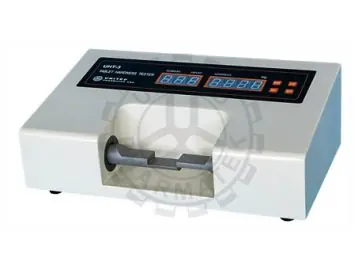
From chipped edges to drug release, match the product concern to breaking force, friability, disintegration time or dissolution.
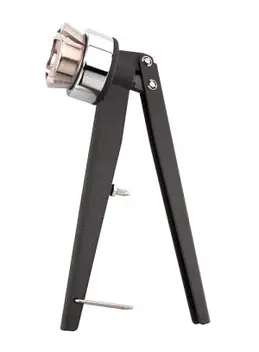
Before ordering a Kebby crimper, check both the cap diameter and its profile. Vials per shift will help you choose a hand, bench or pneumatic tool.
Moisture, ash, protein, fat and fibre each need a method. Start by checking the reporting basis when comparing two certificates of analysis.
Match the crude fat or total fat method to XT15 extraction, HCl hydrolysis and drying. See when FLEX sample preparation fits the work.
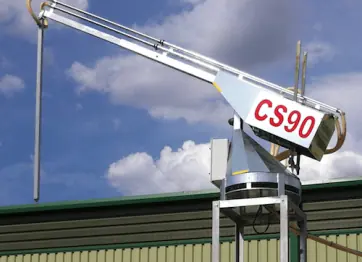
Use your intake plan and truck dimensions to compare the reach of Samplex CS60, CS90 and CS6000 probes and the route samples will take to the lab.
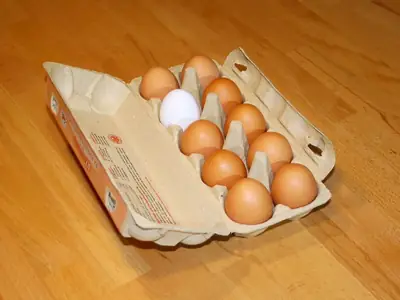
Match the measurement to the egg buyer’s specification. Compare what you need to measure Haugh units, yolk colour, shell thickness and breaking force.
Considering NIR for moisture in palm kernel meal? Check calibration coverage, reference results and how much time a trial could save per lot.
Identify the dietary fibre fractions your customer needs, then map the work across the ANKOM TDF, the analyst and HPLC under the chosen method.
Start with the required method and the sample itself. Compare OSMOMAT and VAPRO against the solvent, volatile components, viscosity and available volume.
Read the summaries and original links to five paid features AE commissioned in 2023–2024 on instruments, after-sales support and food analysis.
Prepare a lab equipment enquiry around six buying questions, from the result you need to report to running costs and after-sales support.
Investigate a difference in pellet PDI by comparing sampling points, sieves, test duration and replicates before adjusting the production line.
Ordering F57 or F58 bags or investigating particle loss? Check the ANKOM model, fibre method, mill and screen size against your preparation record.