
Feed digestibility or fermentation gas: DAISY II and RF2000
Sketch the result you need. Feed residue at a chosen time and changes in gas pressure during fermentation call for different measurements.
On this page
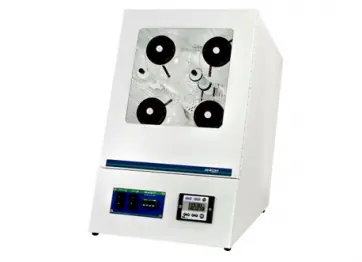
What would you like to report after incubating two forages? DAISY II supports in vitro digestibility measurements based on the residue at a chosen time. If the research question is when gas pressure starts to rise and how it changes during fermentation, consider the RF2000. [1][3]
DAISY II for in vitro feed digestibility
DAISY II incubates feed in individual filter bags. At a defined endpoint, the analyst measures the residue using the selected method. Results can be used to compare in vitro dry-matter or neutral detergent fibre digestibility.[1][2]
USDA and university researchers used DAISY II on 48 triticale forage samples. The amount loaded into each bag affected the results at several observation times. Use the same method and endpoint across the forages in your study. Record sample mass so that you can also assess comparisons with published work.[2]
RF2000 for pressure changes during fermentation
RF2000 records changes in bottle pressure during fermentation. Two treatments may start to show a rise in pressure at different times. Record bottle size, the headspace above the sample and the observation conditions to interpret their curves. To determine methane percentage, sample the gas for a separate composition measurement. Pressure alone cannot provide that figure.[3]
Choose the measurements your final graph needs
Does the report need digestibility at a set time, a gas curve across multiple time points, or both? For a study covering both, plan replicates and paired samples so you can read the residue results alongside the gas profiles. These observations apply to the experimental conditions. Farm performance requires additional evidence.
To discuss vessel or module numbers with AE, send a sketch of your intended table or plot and the numbers of treatments, replicates and observation times.
Sources and further reading
- ANKOM Technology. DAISY II Incubator operator’s manual.
- USDA Agricultural Research Service. Coblentz et al., Journal of Dairy Science, 2019.
- ANKOM Technology. RF2000 Gas Production System information sheet.