
Poultry feed mill quality control from intake to dispatch
Follow one bag of poultry feed from maize intake to dispatch. Learn how feed types, pellet quality and practical checks fit mills of different sizes.
Set up or upgrade a feed QC lab
When planning a new lab or adding equipment, start with the result your production team most often has to wait for. These three jobs are common starting points.
-
Sampling and preparation
Where is the sample taken? Record the material, the sampling point and how the lab prepares it before testing.
-
Fibre and fat in feed
Which fibre or fat method does your specification call for? Include the daily sample count when requesting a quote.
-
Finished pellet durability
For a pellet durability index (PDI) test, record the pellet diameter, sieve and sampling point. Keep the conditions consistent when comparing production runs.
Tell us your sample type, daily throughput and which instruments you already have. We can suggest equipment for the stages you need.
Request a lab configurationChoose a feed quality checkpoint
A farmer opens a bag of chicken feed and finds powder at the bottom. Were the pellets already fragile before dispatch? Ask a new colleague to use the lot number on the bag to find its production record. That one complaint is a good way to trace how QC follows maize from the truck to finished feed.
When the maize truck arrives
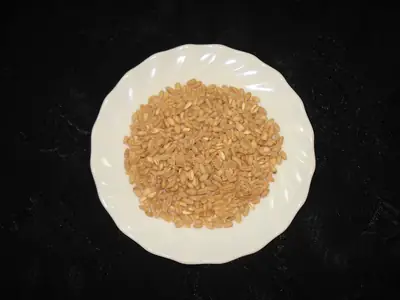
A lot is a quantity of material tracked together. Record the supplier and the maize lot number. Sample several locations according to the sampling plan. A handful from the top of the truck tells you about that spot alone. Check the results against the purchase specification before deciding whether the maize can enter the silo or should be held. [1] [2]
A handheld X-NIR uses near-infrared light to estimate moisture at intake. First check its calibration against a reference method using local maize. Decide in advance when a result close to the acceptance limit needs lab confirmation. [3] [4]
From the scales to the mixer
For a broiler finisher order, the nutrition team draws up a formula to meet the product specification. Carry the maize lot number into the batch record. For each mix, the operator checks the ingredient codes and formula version, then records the actual weights. Even with the right amounts, how evenly are the ingredients distributed? QC staff can take samples at intervals as the mixer discharges and compare the concentration of a marker, such as salt, using the mill’s mixing uniformity procedure. [1] [2]
Which birds is the feed for, and in what form?
In Indonesia, broiler starter is feed for the early stage and finisher for the final stage. In laying hens, examples include grower feed for pullets and layer feed for birds in egg production. These names help QC staff select the right product specification. [1] [5]
Mash is the loose mixture after grinding and mixing. To make pellets, mills typically condition the mix with steam, press it through a die and cool the pellets. For crumbles, the pellets are broken into smaller pieces. [2]
Before the bags leave
For a pellet order, a Holmen NHP100 can check physical durability. The operator weighs the sample before and after testing to calculate the Pellet Durability Index (PDI). Protein and fat content require separate tests. [6]
Before approving dispatch, check the label and test results against the product specification and customer requirements. Hold lots that do not meet them. Keep a labelled sample of released feed and record its destination. If the farmer reports powder in the bag, the mill can compare the retained sample with the farmer’s sample and check how the feed was handled during delivery. [1] [2]
Where should a mill start?
- A small producer handling a few lots can start with lot records, retained samples and a qualified external lab for periodic tests.
- A mid-sized mill often waiting on moisture results can prioritise intake testing and schedule checks against its lab.
- A large mill with several lines can standardise sampling across shifts, compare results by line and track where each lot went.
To discuss your mill with Adidharma Ekaprana, bring your feed type, weekly sample count and one decision that regularly keeps production waiting. Together we can identify the check that would help your team most.
Sources and further reading
- Indonesian Ministry of Agriculture. Feed registration and good feed manufacturing practices manual (CPPB, in Indonesian).
- FAO and IFIF. Good practices for the feed sector (2020).
- Dinamica Generale. X-NIR handheld grain and forage analyser.
- ISO 12099:2017. Guidelines for applying near infrared spectrometry to feed, cereals and milled cereal products.
- Indonesian Ministry of Agriculture. Indonesian National Standards for feeds for laying hens (in Indonesian).
- TEKPRO. Holmen NHP100 portable pellet durability tester.